
Airtight vs. Constant-Air Inflatable Sculptures: Guide | BTCOOPS
Airtight vs. Constant-Air Inflatable Sculptures: Guide | BTCOOPS
Compare airtight (sealed) and constant-air systems for inflatable stage art, light festivals, and commercial installations. Evaluate acoustics, scale, wind loads, thermal stability, and DMX lighting.
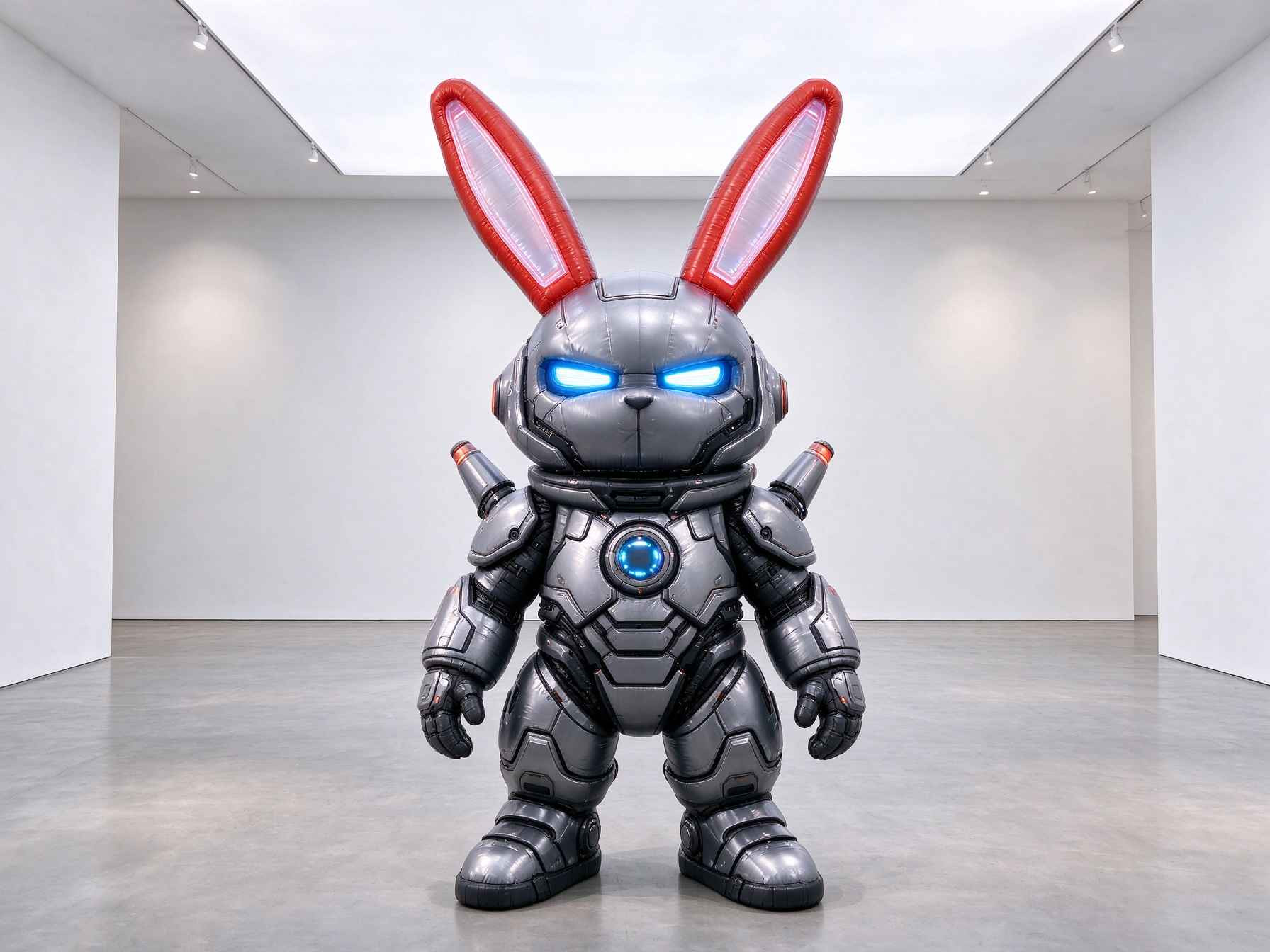
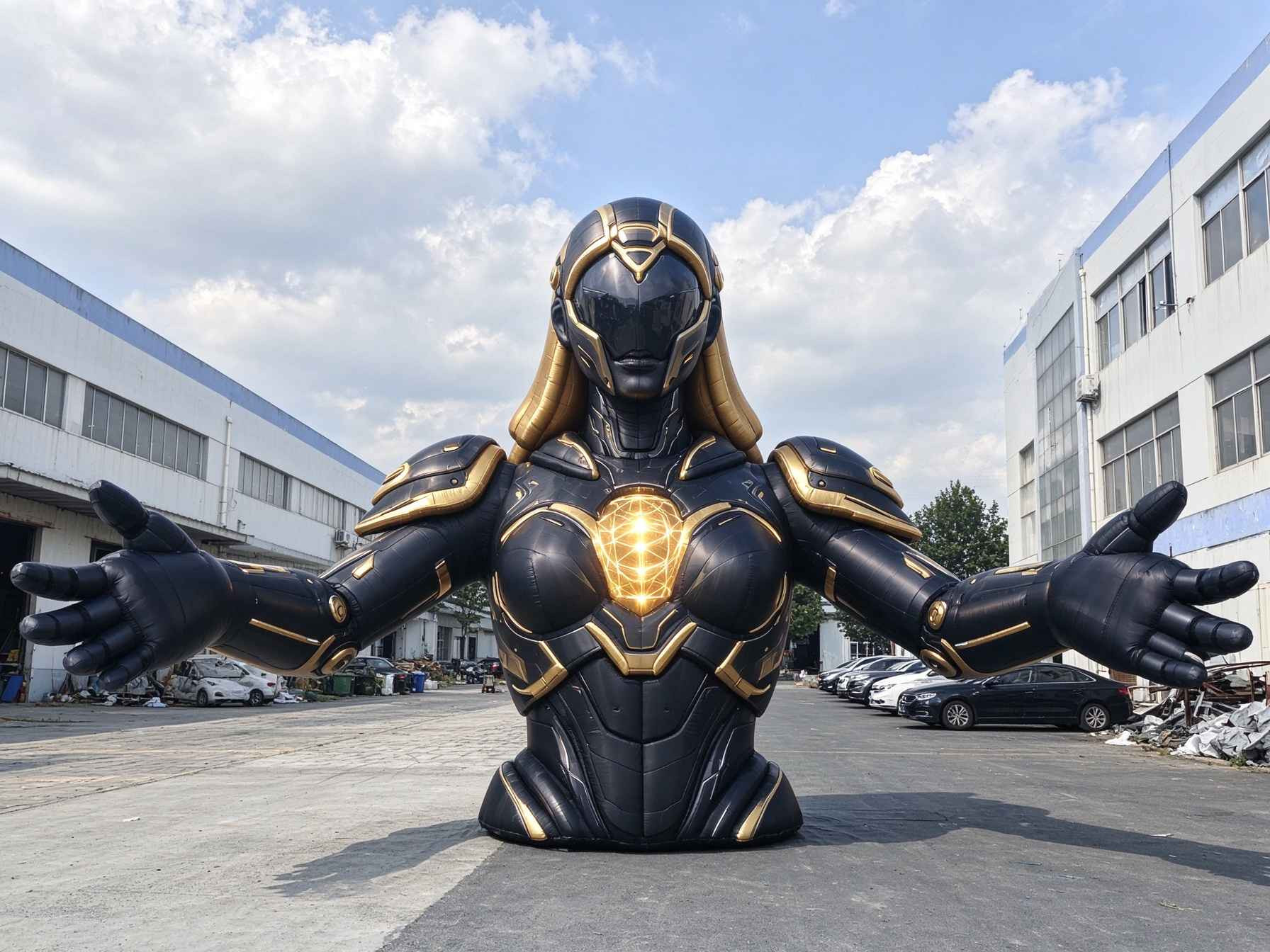
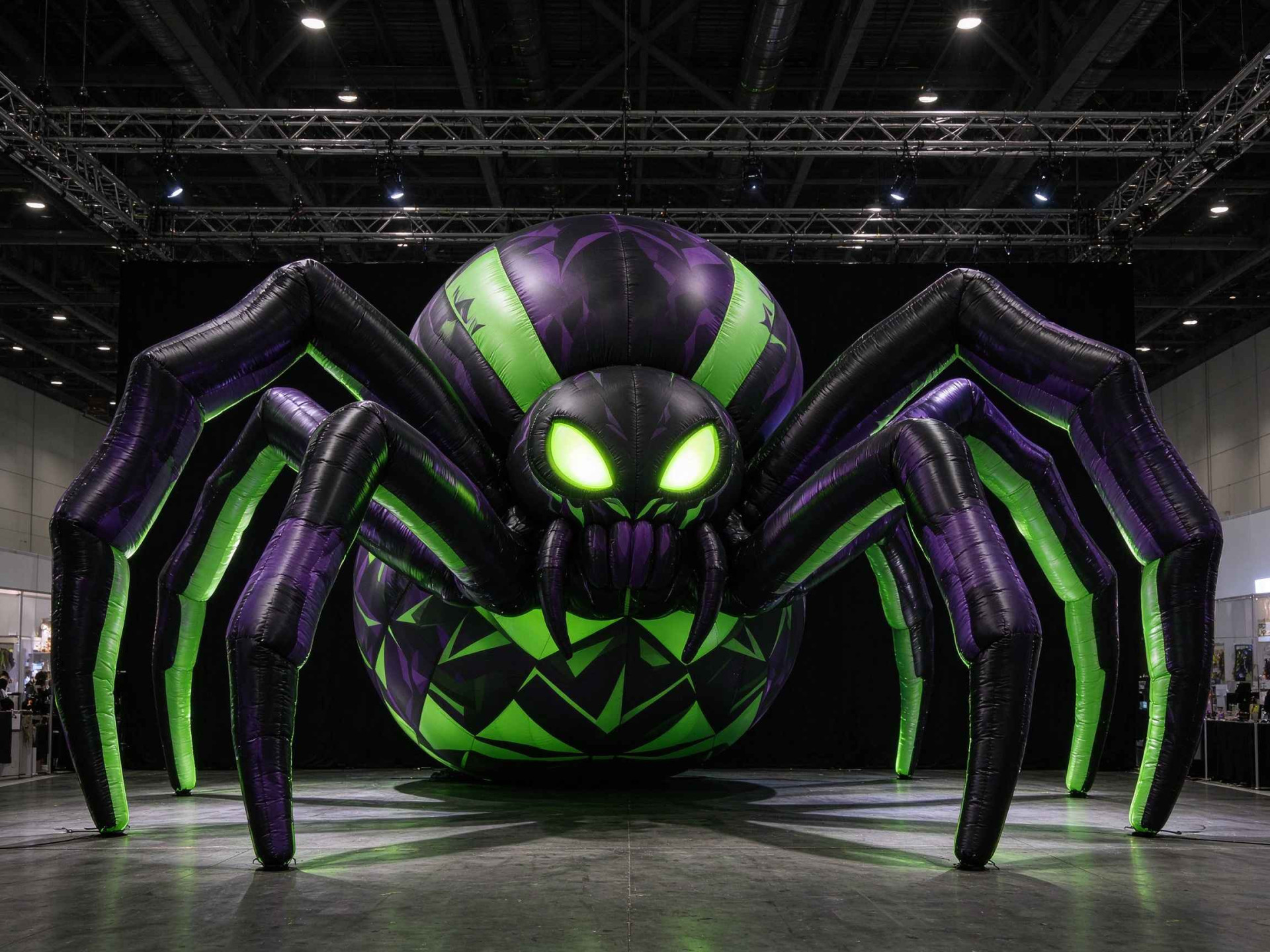
Airtight vs. Constant-Air Inflatable Sculptures: How to Choose for Indoor Exhibitions & Outdoor Festivals
Selecting the right pneumatic architecture is one of the most consequential engineering decisions when commissioning inflatable stage art, nocturnal light festival landmarks, or commercial atrium centerpieces. While two installations may share identical 3D visual geometry, choosing between a sealed (airtight) structure and a continuous-airflow (constant-air) system directly determines acoustic performance, maximum scale, power infrastructure, and weather resilience.
Understanding Buyer Priorities in Light Festivals, Scenography & Commercial Spaces
Curatorial teams for nocturnal light festivals, cultural tourism planners, stage designers, and commercial real estate marketers evaluate custom pneumatic installations against four strict operational realities:
· Acoustic Control in Sensitive Venues: Indoor museums, theatrical stages, and upscale shopping atriums cannot tolerate continuous mechanical blower hum during quiet performances or exhibitions.
· Environmental & Thermal Stability: Outdoor waterfront festivals, winter light trails, and open-air plazas expose sculptures to wind gusts, humidity, and sharp day-to-night temperature swings.
· Uninterrupted Nighttime Illumination: Nocturnal attractions rely on internal RGBW or DMX lighting that must operate safely across multi-week festival runs without overheating or casting uneven diode shadows.
· Rigging & Power Constraints: Overhead truss suspension, heritage building courtyards, and remote parklands often limit electrical cable runs, blower concealment space, and point-load weights.
Core System Comparison: Airtight vs. Constant-Air
At BTCOOPS (operated by Fenigal), we engineer both sealed and continuous-air pneumatic structures. Matching the internal system to your venue conditions prevents costly mid-project redesigns:
Engineering & Operational Factor | Airtight (Sealed) Inflatable Systems | Constant-Air Blower Systems |
Acoustic Performance | Zero operational noise once inflated; electric pump is disconnected after setup. | Continuous low-decibel airflow from an external or acoustically baffled blower unit. |
Recommended Scale | Best suited for small-to-medium sculptures, modular clusters, and suspended overhead elements. | Engineered for monumental scale (10m–20m+ spans/heights) and walk-through architectural pavilions. |
Thermal & Pressure Tolerance | Sealed air volume expands in direct sun and contracts in cold night air; equipped with over-pressure relief valves and periodic pressure top-ups. | Continuous airflow automatically compensates for ambient temperature fluctuations and minor seam micro-leakage. |
Power & Infrastructure | No continuous power needed to maintain shape (power required only if internal LED/DMX lighting is integrated). | Requires dedicated, uninterrupted electrical power for the blower throughout display hours. |
Fabrication & Seaming | High-frequency (HF) or hot-air welded airtight TPU/PVC seams with industrial inflation and pressure-relief valves. | Precision industrial stitching or welded seams tailored to fabric weight, airflow volume, and wind-load resistance. |
Best-Fit Venues | Indoor galleries, concert stage rigging, commercial retail atriums, waterfront reflective pools, short-term pop-ups. | Multi-week outdoor light festivals, cultural tourism night trails, open public plazas, large outdoor festival stages. |
Deep Dive: When to Specify Each Architecture
1. When to Choose Airtight (Sealed) Inflatable Sculptures
Airtight fabrication creates a self-contained pneumatic vessel. Once inflated to target operating pressure, the valve is locked and the inflation pump is removed.
· Overhead Stage & Atrium Rigging: Eliminates the need to suspend heavy blowers or route bulky air ducts to ceiling trusses—ideal for floating concert scenography and shopping mall atrium drops.
· Acoustically Sensitive Exhibitions: Essential for contemporary art galleries, theater productions, and immersive sound-art installations where absolute ambient silence is mandatory.
· Waterfront & Reflective Pool Installations: Sealed structures with marine-grade anchoring points can be deployed on shallow reflective pools or fountains without electrical blower hazards near water.
2. When to Choose Constant-Air Inflatable Sculptures
Constant-air structures maintain form through a balanced equilibrium between continuous fan intake and controlled air escape.
· Monumental Outdoor Festival Landmarks: When sculptures exceed 8 to 15 meters in height or span, constant-air systems provide superior structural recovery against wind gusts and dynamic loads.
· Multi-Week Cultural Tourism & Light Trails: Outdoor winter light festivals experience significant temperature drops after sunset. Continuous airflow prevents the soft wrinkling that occurs when sealed air contracts in cold weather.
· Interactive & High-Traffic Public Spaces: If an installation is positioned in an accessible plaza or interactive walkthrough zone, constant airflow maintains crisp structural tension throughout long operating hours.
Value of Integrated Engineering: Lighting, Materiality & Logistics
Regardless of pneumatic architecture, BTCOOPS engineers every custom commission around three core production pillars:
· Integrated Internal Illumination & DMX Control: Drawing on our specialized lighting engineering background, we mount low-heat LED arrays and DMX-addressable pixel or RGBW systems onto internal suspension sleeves—keeping fixtures isolated from the outer membrane while delivering uniform 360-degree glow.
· Architectural Surface Finishes: We fabricate using matte-coated fabrics (for crisp 3D projection mapping without hotspot glare), high-transmission diffused membranes (for internal illumination), and mirror-metallic textiles.
· Tour-Ready Packability: Both airtight and constant-air sculptures deflate to roughly 5%–10% of their inflated volume, packing into compact transport bags or crates for efficient international touring.
Technical Selection Checklist for Curators & Production Teams
Before finalizing technical drawings for tender or fabrication, verify four site parameters:
· 1. Blower Concealment & Noise Allowance: If specifying constant-air indoors, confirm whether an acoustic blower box or remote air-ducting tunnel can be concealed behind stage masking or architectural planters.
· 2. Venue Fire-Retardancy Regulations: Cultural venues, shopping centers, and public festivals strictly enforce regional flame-retardant standards (such as EN 13501-1 / B1 in Europe, NFPA 701 in North America, AS 1530 in Australia, or local municipal fire codes in Japan and Singapore). Confirm required fabric certifications early so compliant textile lots are specified per project.
· 3. Ambient Temperature & Sun Exposure: For outdoor airtight pieces exposed to direct afternoon sun followed by cool evenings, specify over-pressure relief valves and schedule brief morning pressure checks.
· 4. Wind-Load Thresholds & Non-Invasive Ballast: Outdoor festival pieces require perimeter D-ring harnesses paired with calculated water weights, concrete ballast blocks, or ground anchors—plus a clear operational protocol for rapid deflation if wind speeds exceed engineered thresholds.
Frequently Asked Questions (FAQ)
Can airtight inflatable sculptures be used outdoors for multi-week light festivals?
Airtight sculptures can be used outdoors for short-to-medium durations if equipped with over-pressure relief valves and protected from ground abrasion. However, for multi-week outdoor light festivals exposed to wide day-to-night temperature swings or strong winds, constant-air systems are generally more reliable because continuous airflow automatically maintains full surface tension.
How noisy are constant-air blowers for stage art or indoor commercial atriums?
Modern industrial blowers used in architectural inflatables operate at moderate decibel levels and can be further quieted using acoustic enclosures or by positioning the blower in a backstage/service area connected via flexible air ducting. Where absolute zero noise is required, a sealed airtight system is recommended.
Do both systems support internal LED and DMX lighting?
Yes. Both airtight and constant-air sculptures integrate internal low-heat LED and DMX-controllable lighting mounted on internal suspension sleeves. In airtight structures, power cables pass through pressure-tight sealed cable glands or welded pass-through sleeves; in constant-air structures, power routing runs cleanly alongside the blower intake sleeve.
What files do you need to recommend the right system and provide a quote?
Share your 3D model (.OBJ, .STEP, .3DM, or .FBX) or dimensioned concept sketches along with target dimensions, indoor/outdoor venue details, lighting requirements, and installation duration. Our engineering team will recommend the optimal pneumatic system and provide an itemized fabrication estimate.
Consult Our Engineering Team on Your Installation
Unsure whether an airtight or constant-air structure fits your venue, stage rig, or festival timeline? Send your concept drawings or 3D files to BTCOOPS for a technical feasibility assessment and custom fabrication quote.
· Primary CTA: Request a Technical Consultation & Quote (Link to: /contact/)
· Related Resources (Internal Links): Explore Custom Inflatable Art Capabilities (/custom-inflatable-art-installations/), 3D-to-Sculpture Technical Guide (/from-3d-render-to-giant-inflatable-art-guide/), and Material Selection Guide (/inflatable-art-material-selection-guide/).
Send Your Custom Product Requirement
Tell us the product family, intended application, size, quantity, operating conditions and delivery target. Your inquiry email will automatically include the page you are viewing so our team can understand the exact product, technology or reference that led to your request.
- Product family or model of interest
- Required size, quantity and customization
- Application, installation and operating environment
- Project country, operating conditions and delivery target